
Outdoor living is a big part of the Australian lifestyle. Whether it’s a backyard BBQ, a relaxing afternoon on the patio, or enjoying the view from your veranda, outdoor spaces are designed to be used all year round. Because of this, many homeowners install outdoor blinds to protect their alfresco areas from sun, wind, and rain.
But one question often comes up before installation:
Are outdoor blinds waterproof?
The short answer is most outdoor blinds are water-resistant rather than fully waterproof. However, the level of protection they offer depends on the material, design, and installation quality.
In this detailed guide, we’ll explain how outdoor blinds handle rain, what materials perform best in Australian weather, and how you can choose the right option for your home.
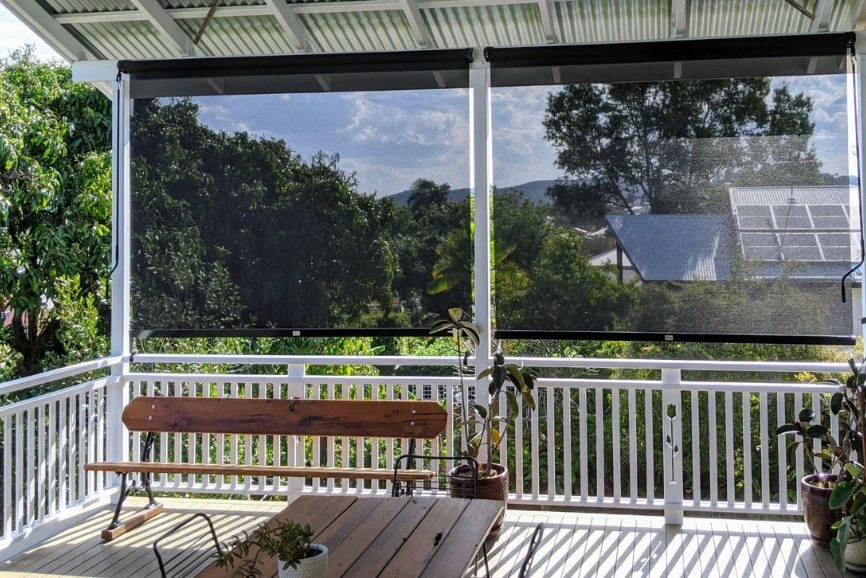
Why Outdoor Blinds Are Popular in Australian Homes
Outdoor blinds have become increasingly popular across Australia because they improve comfort and extend the use of outdoor areas.
Many homeowners install them in:
- Patios
- Pergolas
- Alfresco areas
- Balconies
- Outdoor dining spaces
According to the Australian Housing and Urban Research Institute (AHURI), outdoor living spaces are a key feature in modern Australian homes because they improve lifestyle and property value.
Outdoor blinds help make these spaces more usable by providing protection from:
- Harsh sunlight
- Wind
- Dust
- Light to moderate rain
- Insects
They also add privacy while still allowing airflow and natural light.
Waterproof vs Water-Resistant: What’s the Difference?
Before discussing outdoor blinds, it’s important to understand the difference between waterproof and water-resistant materials.
| Feature | Waterproof | Water-Resistant |
| Water Protection | Completely blocks water | Repels water but may allow small amounts through |
| Rain Conditions | Suitable for heavy rain | Best for light to moderate rain |
| Common Use | Roofing, sealed materials | Outdoor blinds, fabrics |
| Breathability | Usually low | Often breathable |
In simple terms:
- Waterproof materials stop water completely.
- Water-resistant materials slow down or repel water.
Most outdoor blinds fall into the water-resistant category, which is generally enough for everyday outdoor use.
Are Outdoor Blinds Waterproof?
In most cases, outdoor blinds are designed to be water-resistant rather than 100% waterproof.
This means they can:
✔ Block light rain
✔ Reduce wind-driven rain
✔ Keep outdoor areas comfortable
✔ Protect furniture and flooring
However, during heavy storms or strong winds, some moisture may enter around edges or seams.
This is normal for outdoor shading systems because they must also allow airflow and flexibility.
Types of Outdoor Blinds and Their Water Protection
Different outdoor blinds provide different levels of rain protection depending on the material used.
1. PVC Outdoor Blinds
PVC blinds (often called café blinds) are one of the most water-resistant options available.
These blinds are made from clear or tinted PVC plastic, which naturally repels water.
Benefits
- Strong rain protection
- Clear outdoor views
- Wind resistance
- Easy cleaning
PVC blinds are commonly used in restaurants, cafés, and patios across Australia because they help keep dining areas dry during light rain.
2. Mesh Outdoor Blinds
Mesh outdoor blinds are designed mainly for sun and airflow protection.
They are usually made from polyester or fibreglass mesh coated with PVC.
Features
- Blocks UV rays
- Allows airflow
- Reduces glare
- Provides privacy
However, mesh blinds allow small amounts of rain to pass through, so they are considered water-resistant but not waterproof.
3. Zip-Guided Outdoor Blinds
Zip-guided blinds use side tracks to keep the blind secure within the frame.
This design improves protection against:
- Wind
- Dust
- Rain
Because the blind stays tightly sealed along the sides, it reduces gaps where water can enter.
This makes them one of the best outdoor blinds for weather protection.
4. Motorised Outdoor Blinds
Motorised outdoor blinds work the same as manual blinds but are powered by an electric motor.
Benefits include:
- Easy remote control
- Smart home integration
- Smooth operation
- Adjustable height for weather control
While the automation system improves convenience, the rain protection still depends on the material used.
How Outdoor Blinds Handle Australian Weather
Australia’s climate can be unpredictable, with strong sun, sudden rain, and coastal winds.
According to the Australian Bureau of Meteorology (BOM), many Australian regions experience seasonal rainfall patterns, especially during summer storms.
| City | Average Annual Rainfall |
| Sydney | ~1213 mm |
| Brisbane | ~1149 mm |
| Adelaide | ~549 mm |
| Perth | ~730 mm |
Outdoor blinds are designed to cope with these changing conditions by providing:
- UV protection
- Rain resistance
- Wind control
- Temperature regulation
However, during heavy storms, it’s recommended to raise the blinds to prevent damage.
Benefits of Water-Resistant Outdoor Blinds
Even though outdoor blinds may not be fully waterproof, they still provide excellent benefits.
1. Protection from Light Rain
Outdoor blinds help keep patios and alfresco areas dry during light showers.
This allows you to enjoy outdoor spaces even when the weather changes.
2. UV Protection
Australia has some of the highest UV levels in the world.
According to ARPANSA (Australian Radiation Protection and Nuclear Safety Agency), shade structures are essential for reducing UV exposure outdoors.
Outdoor blinds help block harmful UV rays and reduce heat entering the home.
3. Better Temperature Control
Outdoor blinds act as a barrier between the sun and your outdoor space.
This can reduce heat and improve comfort during summer.
4. Increased Privacy
Outdoor blinds create a private outdoor area without blocking natural light.
5. Extended Outdoor Living
Many Australian homeowners use outdoor blinds to turn their patios into all-weather entertaining areas.
What Affects the Waterproof Performance of Outdoor Blinds?
Several factors influence how well outdoor blinds handle rain.
1. Material Quality
High-quality PVC or coated fabrics provide better water resistance.
2. Installation
Professional installation ensures the blinds fit tightly and reduce gaps.
Poor installation can allow water to enter around the sides.
3. Design System
Track-guided systems improve weather protection by sealing the edges.
4. Weather Conditions
Extreme wind or heavy storms may push rain through small openings.
Read More: Best Outdoor Blinds for Adelaide Weather
Tips to Make Outdoor Blinds More Weather-Resistant
You can improve the rain protection of your outdoor blinds with a few simple steps.
- Install side channels or tracks
- Choose thicker PVC materials
- Ensure proper tension in the blind
- Close blinds before the rain starts
- Maintain and clean them regularly
These steps help extend the lifespan of the blinds and improve performance.
Outdoor Blinds and Energy Efficiency
Outdoor blinds can also help reduce energy use inside your home.
According to YourHome.gov.au, external shading can significantly reduce heat entering through windows, improving energy efficiency.
Benefits include:
- Lower cooling costs
- Reduced glare indoors
- Better indoor comfort
This is why outdoor blinds are often recommended as part of sustainable home design in Australia.
Choosing the Right Outdoor Blinds for Your Home
When selecting outdoor blinds, consider the following:
| Factor | Why It Matters |
| Material | Determines durability and rain resistance |
| Location | Coastal areas need stronger weather protection |
| Blind system | Zip-guided systems improve sealing |
| Manual or motorised | Motorised blinds add convenience |
| Installation quality | Ensures proper weather protection |
Choosing the right combination ensures the blinds perform well in Australian conditions.
Why Quality Installation Matters
Even the best outdoor blinds won’t perform properly without correct installation.
Professional installers ensure:
- Accurate measurements
- Secure fittings
- Proper alignment
- Smooth operation
This prevents water gaps and improves long-term durability.
If you’re considering installing outdoor blinds for your patio or alfresco area, it’s best to work with experienced professionals.
Final Thoughts
So, are outdoor blinds waterproof?
In most cases, outdoor blinds are water-resistant rather than fully waterproof. However, with the right material and proper installation, they can provide excellent protection from light rain, wind, and harsh Australian sun.
For Australian homes, outdoor blinds are a smart investment because they:
- Improve outdoor comfort
- Protect against changing weather
- Enhance privacy
- Increase property value
- Extend the use of outdoor spaces
By choosing the right type of blind and maintaining it properly, you can enjoy your outdoor area throughout the year, even when the weather changes. If you’re looking for reliable and high-quality outdoor blinds designed for Australian conditions, Essential Roller Shutters offers durable solutions that help homeowners create comfortable and protected outdoor living spaces.
